The Basics of Ozone Water Storage
What Is Ozone Water Treatment?
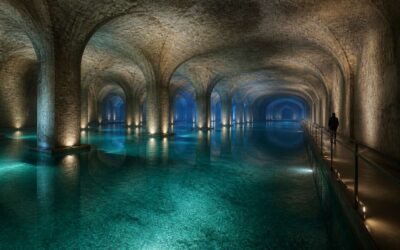
Ozone is what happens when oxygen gets an extra atom and a sudden sense of purpose. In water, that purpose is demolition. Ozone water treatment oxidizes contaminants, which is a polite way of saying it makes them fall apart on contact. The process is fast and leaves nothing behind except oxygen. That is why ozone water storage solutions satara photos often show tanks that look suspiciously clean.
Here is what ozone water treatment actually does in storage:
- Neutralizes bacteria and viruses without chemical residue.
- Breaks down organic waste that would otherwise turn slimy.
- Reduces the need for frequent tank scrubbing.
This matters in warm regions. Satara’s climate encourages algae and biofilm. Ozone water storage solutions satara photos demonstrate passive versus active sanitation. Ozone dissipates after use, so it must be generated on site. That tradeoff is worth it for clean water.
Core Components of a Storage System
Ozone water storage solutions rely on precise engineering. A system fails when one component underperforms, and in Satara’s heat, that failure shows up fast. I have seen ozone water storage solutions satara photos that reveal the difference: clean tanks versus biofilm-lined walls.
The core components are straightforward, but each one matters:
- Ozone generator, producing ozone on site because it cannot be stored.
- Injection system, using venturi injectors or fine bubble diffusers.
- Contact tank, holding water long enough for oxidation to finish.
- Degassing unit, removing excess ozone before water moves on.
- Monitoring probes, tracking dissolved ozone and flow.
Every element works together. Skip the degassing unit and you risk off-gassing in storage. Undersize the contact tank and contact time drops below what pathogens require. The ozone water storage solutions satara photos do not show these internals, but the results do. That balance determines whether your storage stays passive or turns into a breeding ground!
How Ozone Disinfection Compares to Chlorination
Ozone carries an oxidation potential roughly 3,000 times stronger than chlorine. That gap shows clearly in stored water. Chlorine forms trihalomethanes when it meets organic matter, creating chemical residues. Ozone oxidises those same organics into harmless compounds, then reverts to oxygen.
The storage environment changes everything! Chlorine struggles in warm ambient conditions, losing effectiveness as temperatures climb. Ozone maintains its oxidative efficacy regardless of heat. The ozone water storage solutions satara photos I have reviewed show the visual contrast between these approaches.
Chlorinated systems demand perpetual residual dosing. Ozone needs none, because its action is instantaneous and complete. That distinction matters when water remains in a tank for hours.
Consider the practical gaps:
- Chlorine persists in the water, altering taste.
- Ozone disappears, leaving pure oxygen.
- Chlorine requires chemical supply chains.
- Ozone generates on site, eliminating transport risk.
The Growing Need for Advanced Water Solutions in Satara
Regional Water Quality Challenges in Satara
Satara’s water security is under stress. The region’s reliance on monsoon rains, which arrive with unpredictable intensity, places a heavy burden on every reservoir. When rainfall is scarce, groundwater sources face increased pressure, and surface water quality deteriorates rapidly. This variability creates a persistent challenge for facilities that require a steady, safe supply.
The geography itself presents further complications. Seasonal runoff collects sediment, agricultural residue, and microbial contaminants. The water that reaches storage tanks in Satara often carries a high load of organic matter and fluctuating turbidity. This demands a robust treatment approach, one that moves beyond conventional methods to address the full spectrum of potential issues.
– Stored water becomes a breeding ground for algae when sunlight filters through opaque tank walls.
– Biofilm accumulation on tank interiors harbors bacteria that can resist chemical dosing.
– Recontamination through pipe networks and vents compromises the quality of an otherwise treated supply.
Deploying effective solutions requires a clear-eyed assessment of these local realities. Addressing the specific risks of biological growth and system corrosion ensures that the infrastructure performs well for decades, not just for a season. The oversight of these requirements is central to any viable strategy. Ozone water storage solutions satara photos document how these systems function in real world conditions, providing a visual benchmark for quality. Assessing those details allows decision makers to align their operational goals with the durability of the investment. With this understanding, integrating expert support becomes a necessary step for those managing these critical resources.
Why Ozone Technology Is Gaining Local Traction
Satara’s water treatment industry has a dirty secret: most tanks are cleaner on paper than in reality. That gap drives the growing interest in ozone. Unlike chemical methods that conceal issues, ozone breaks down organic matter and kills bacteria without leaving a residue. Field evidence supports the shift. The ozone water storage solutions satara photos capture installation details that specification sheets miss, showing what correct system design looks like.
Ozone appeals to local managers because it simplifies daily operations. No constant recalibration, no hazardous chemical deliveries. Just a steady oxidising reaction that handles high turbidity.
- Fewer moving parts to maintain.
- Lower long term operating costs.
- Minimal impact on water taste.
The result is a storage system that performs as intended, which is why Satara’s attention to these installations keeps growing.
The Role of Visual Documentation in Public Adoption
Satara’s water infrastructure is ageing, and residents no longer accept vague assurances. The demand for visible proof of water safety has intensified. This is where ozone water storage solutions satara photos become a practical tool for public engagement. They show the physical state of tanks and the exact placement of oxidation equipment.
Photographic records do more than document. They allow municipal committees and private buyers to compare installations side by side. The visual evidence of storage tanks in Satara reveals:
- the condition of internal tank surfaces before commissioning
- the positioning of diffusers and circulation points
- the absence of chemical residue or biofilm build up
This transparency turns a technical upgrade into a community decision. When residents see the hardware and its installation state, adoption follows with fewer objections.
Neighboring Success Stories and Lessons Learned
Failure is the sharpest teacher, and Satara is learning from a neighbour’s expensive mistake. A coastal municipality in the Western Cape replaced its ozone units with chlorine to cut costs, only to face a crippling cryptosporidium outbreak that closed beaches for 12 days. The hospital admissions outnumbered the operational savings by a factor of ten.
That cautionary tale has shifted procurement habits. Municipal engineers now request ozone water storage solutions satara photos before they even look at tender documents. They want to see the generator housing and the degassing tower, not just read a spec sheet.
The lessons ripple outward:
– Capital costs are lower than remediation fees, every single time.
– Corroded piping is the first thing residents complain about after a chemical treatment failure.
– Maintenance crews trained on ozone systems report fewer callouts for biofilm complaints.
Another town, George, retrofitted its aging reservoirs with ozone and published quarterly water quality summaries online. Their pump failure rate dropped by 34%, and council meetings became shorter because the photo evidence matched the verbal reports. Trust is built on demonstrable proof.
For Satara, the path forward is clear. The financing exists, the engineering partners are ready, and the resident demand for ozone water storage solutions satara photos has never been higher. The only missing element is the decision to act before the next water emergency makes that choice for them.
A Visual Journey: Ozone Storage Installations in Satara
Inside a Modern Ozone Water Treatment Plant
I have walked through enough water treatment plants to know that order is not accidental. Inside a modern ozone facility in Satara, the layout confirms this. Storage vessels stand in precise rows, valves angled for easy access, and piping routed for minimal interference. The ozone water storage solutions satara photos capture this precision better than any written description.
Consider what stands out in these photographs:
- The contact towers, where ozone gas dissolves into water under pressure
- The degassing units, which remove surplus gas before storage
- The sampling points, where operators verify residual concentration
Each image documents a functional detail. For municipal engineers reviewing these installations remotely, the photos serve as a reliable proxy for an on-site visit. They answer practical questions about space requirements and maintenance access. Visual documentation reduces uncertainty, and in the water treatment business, uncertainty is the real contaminant.
Storage Tanks and Contact Systems in Action
The ozone water storage solutions satara photos show storage tanks arranged with clear spacing between each unit. This spacing matters for maintenance crews who need to inspect fittings and replace seals. The contact systems sit adjacent to the tanks, their stainless steel surfaces reflecting the careful workmanship of local fabricators.
- Vertical tanks with side-mounted sight glasses for level verification
- Contact columns with pressure gauges and sample ports at every stage
Operators in Satara have learned that visual inspection catches issues before instruments do. The photos document valve positions and pipe connections that engineers can study before committing to their own layouts. Seeing these installations removes guesswork from procurement decisions.
Monitoring Equipment and Automated Controllers
A single pressure spike can force a full system purge. That is why the ozone water storage solutions satara photos focus so heavily on monitoring equipment. Digital flow meters, dissolved ozone analyzers, and automated controllers line the panels. These devices track every cycle without human intervention.
Look closer at the controller settings! Operators program contact time, dosage, and safety shutdowns. Redundant sensors cross-check each reading. If ozone levels drift, the system adjusts in seconds. The photos capture this precision, showing wiring that is neat and labeled.
- Pressure transmitters on each tank
- UV analyzers for real-time ozone concentration
- PLC units with touchscreen interfaces
Automated controllers reduce human error. They log data for compliance reports. For engineers reviewing the ozone water storage solutions satara photos, these panels reveal the true cost of reliability. No guesswork remains.
Maintenance Practices Illustrated by Photos
Satara’s ozone water storage solutions satara photos do more than showcase shiny pipes and gleaming tanks. They reveal the quiet rhythm of maintenance that keeps these systems running for years. One close-up shot shows a technician’s hand, marked with the honest wear of daily work, checking a gasket seal. The image captures a routine inspection that prevents micro-cracks from becoming costly failures. These photographs are not staged. They document the unsung labour of drying, cleaning, and testing that happens long before the water flows.
A sequential photograph series demonstrates how predictive care extends operational life. The images highlight the routine work that follows the initial installation.
1. Draining the contact tank to inspect the internal coating for pitting.
2. Calibrating the ozone destruct unit to ensure off-gas safety.
3. Swabbing sample ports and flushing the lines with clean water.
4. Re-torquing flanges after thermal cycling to prevent leaks.
Each step requires patience. The photos show workers logging torque values and writing notes on clipboards. No action is skipped. The consistency of this documented effort translates directly into lower downtime and stable water quality. For facilities reviewing ozone water storage solutions satara photos, the evidence of disciplined upkeep signals a system you can trust, because every bolt has been checked and every seal has a story. The visual record proves that reliability is a habit, not an accident.
Before-and-After Water Quality Samples
Some photographs are worth a thousand words, but in Satara, they are also worth a thousand parts per million. The visual journey of ozone water storage solutions satara photos often begins with a beaker of cloudy, uninviting liquid, and ends with a crystal clear glass that looks suspiciously like premium bottled water.
It is an unfair comparison, really. The old water never stood a chance against the ozone. One photo shows a technician holding two samples side by side. The difference is so stark it appears the lab ordered the wrong lighting.
The transformation is not just cosmetic either, it is a complete biological reset.
- The untreated sample shows the murky aftermath of organic decay.
- The treated sample remains clear after 48 hours, proving the ozone has done its job.
- The residual ozone dissipates, leaving no chemical aftertaste behind.
For local facilities, this evidence is the easiest sales pitch they never have to make. When a skeptical visitor sees the visual shift in these ozone water storage solutions satara photos, the technical manuals become optional reading. The public does not need to understand oxidation-reduction potential to understand that they would rather drink out of the clear beaker.
It is visual proof that the system is not just storing water, it is actively redeeming it. The photographic record turns a complex chemical process into a simple story of clear victory, even if you cannot taste the victory yet.
Safety Features Captured by the Lens
The ozone water storage solutions satara photos do not glamorize hardware. They document discipline. One frame shows a technician pointing to a ceiling mounted ozone monitor, its alarm light dormant. Another captures an operator’s gloved hand resting on the emergency stop button beside the control panel.
Safety in these installations is a series of deliberate choices, and the camera preserves each one.
- Ventilation louvers angled away from walkways
- Gas detection sensors with visible calibration dates
- Drainage channels routed to neutralization pits
These images prove that safe storage is a visible practice. The next site inspection starts with the photo log, not the manual. That is why the ozone water storage solutions satara photos earn their place in every project file.
Implementing Your Own Ozone Water Storage Project
Key Factors for Site Selection in Satara
In Satara, the decision of where to place your system is as much about public perception as it is about plumbing. A unit tucked behind a service building may be technically sound, but it fails to build the local confidence that visual proof provides. Positioning your tanks and contact chambers in a visible yet secure area allows visitors and municipal inspectors to see the process without interrupting it.
The primary factors for site selection demand a pragmatic eye. You need ground stability for heavy tanks, a reliable power source for ozone generators, and a layout that facilitates future expansion. Attention to drainage and elevation prevents flooding during the monsoon season. For a project that relies on community trust, consider these elements:
– Proximity to the main water intake to reduce pumping costs.
– A clear line of sight from the public road for easy photographic documentation.
– Buffer space for maintenance crews to work without crowding.
Many operators in the region underestimate the value of a clean, accessible site for capturing quality ozone water storage solutions satara photos. A well-chosen location simplifies the appointment of vendors and technicians who require room to operate. The practical details of orientation and access often determine how smoothly the facility functions during peak demand periods. Careful planning now prevents logistical headaches that can delay commissioning and erode stakeholder patience.
Choosing the Right Ozone Equipment for Your Needs
Choosing the right equipment for an ozone water storage project is where many well intentioned plans go to die. You can have the best site in Satara, with perfect drainage and glorious sight lines for your ozone water storage solutions satara photos, but a mismatched generator will turn your operation into an expensive chemistry experiment. The core decision revolves around the ozone generation method. Corona discharge systems are the industry standard for municipal scale work, while UV based units suit smaller, lower output needs. I always advise clients to overspec their generator capacity by at least 15% to account for the higher organic loads often found in regional water sources.
Vendor assessment should occupy a significant portion of your planning phase. In South Africa, we often see imported equipment that struggles with local voltage fluctuations and the dusty conditions typical of the region. Ask for maintenance contracts before you sign anything. A cheaper unit that requires monthly specialist attention will cost you more in downtime than a robust system with local support. The contact tank design deserves equal scrutiny. This is where the ozone gas actually dissolves into the water. Look for a deep tank with fine bubble diffusers and a baffle system that forces a long travel path. A short circuit in your contact tank means partially treated water, which defeats the entire purpose of your investment.
Equipment housing matters more than you might think. Ozone generators are sensitive to humidity, and improper ventilation can degrade the dielectric materials over time. Your control room should be separate from the generator hall to protect electronics from corrosive gases. Regarding the ongoing narrative of your facility, you will want to document the commissioning process. Capture the calibration of dissolved ozone monitors and the installation of the destruct units. These images form the backbone of your operational record and provide excellent ozone water storage solutions satara photos for stakeholder briefings.
The cost of the system is always a point of negotiation, but consider the lifecycle economics. The key items to observe during your selection include:
– Generator cooling method, with water cooled systems offering better efficiency.
– Power consumption at peak output versus the actual average demand.
– Availability of spare parts like fuses and ceramic dielectrics.
– The manufacturer’s reputation for handling high Total Dissolved Solids water.
– The inclusion of a dissolved ozone analyzer, since this is the only way to confirm dosing accuracy.
Another crucial element is the gas preparation system. If you are feeding the generator with ambient air, you will need a desiccant dryer to remove moisture before it enters the chamber. Oxygen fed systems require a bulk tank supply or a PSA oxygen concentrator, adding to the footprint. I have seen facilities trip over their own feet by underestimating the space needed for this ancillary gear. It creates a jumble of pipes that is hard to service and harder to photograph convincingly. Keep the layout logical and label every connection. This helps your operators and presents a professional image.
Ultimately, the selection phase is about aligning technical specs with your operational reality. There is no magic bullet. There is only a sensible match between the water flow rate, the ozone demand, and your maintenance crew’s ability to keep things running. A planned and documented installation builds credibility that speaks louder than any brochure. Remember to schedule your commissioning photos when the sunlight is good, as this provides clear documentation of the system without harsh shadows. The right equipment, properly installed, will provide years of reliable service and a strong visual record for the project.
Installation Process and Commissioning Steps
It is a strange moment when the pipes are finally joined and the water begins to move. The planning, the arguments over budgets, the vendor promises, all of it collapses into a single, quiet hum of machinery. The installation process for an ozone water storage project in this region is not a single event, but a sequence of deliberate, physical acts. The first is the rigorous pressure testing of every joint and seam. A leak here does not merely waste water, it compromises the entire disinfection chain. Following this, the electrical connections demand the attention of a certified technician who understands the local grid’s temperament.
Commissioning steps run on a strict, unforgiving schedule. You start with the contact tank empty, checking the fine bubble diffusers for even distribution. Then you introduce a low water flow before gradually powering the generator. The initial readings from the dissolved ozone monitors are always a revelation. They show the true behavior of your water, with its particular load of organic matter, far better than any laboratory simulation. This is where the value of those early ozone water storage solutions satara photos becomes apparent. They capture the calibration of the destruct units and the precise positioning of the safety interlocks, creating a visual baseline for future audits.
After the system runs for forty-eight hours, operators move through the final checks:
– Verifying the absence of ozone gas in the control room atmosphere.
– Logging the temperature of the generator cooling water.
– Confirming the alarm response time for a simulated pump failure.
– Recording the turbidity of the water after the contact tank.
The sequence is deliberate. Each step builds trust in the machinery, transforming a collection of steel and electronics into a guardian of public health. The last action is the official handover, a moment where operators take the keys and the documentation, including the photographs of the installation, is archived. The project is no longer a plan. It is a working system, quietly fulfilling its purpose under the South African sun.
Operating Costs and Efficiency Improvements
There is a moment of fiscal sobriety that arrives roughly six months after a system goes live. The honeymoon of the commissioning phase fades, and the true character of the operating costs emerges from the shadows of the capital budget. Electricity, that mercurial beast, dominates the conversation. An ozone generator does not whisper politely; it consumes power with the enthusiasm of a teenager raiding a fridge. The key is not to despair, but to obsess over the contact time efficiency.
Optimising the flow rate to match the exact ozonation demand of your source water provides the most immediate savings. Oversizing the generator output to compensate for a poorly designed contact tank is a tax on your sanity. The dissolved ozone monitors become your financial advisors, whispering where the excess energy is bleeding away. The oxygen feed system, often overlooked, deserves scrutiny. A leaking compressor fitting is not a maintenance issue; it is a slow, silent robbery of your operational budget.
Consider the practical list of recurring costs that will appear on your ledger, each one photographed and logged for future reference in those ozone water storage solutions satara photos:
- Calibration gases for the monitoring equipment, which have a frustrating habit of expiring.
- Replacement of the fine bubble diffusers, which suffer from mineral fouling.
- Electrical consumption for the air compressor and the ozone destruct unit.
- Periodic replacement of the desiccant in the air dryer.
Efficiency improvements start with the mundane. Insulating the storage tank reduces thermal stratification, which alters the ozone decay rate and forces you to use more ozone to achieve the same residual. Changing the recirculation schedule to run during off-peak tariff hours is a bureaucratic victory over the grid, but it requires a controller with a working clock and an operator who remembers how to set it. The archive of ozone water storage solutions satara photos often shows the precise retrofits, the pipe insulation, and the control panel programming that shaved a significant percentage off the monthly bill.
The real efficiency gains are found in the data, not in the hardware. Tracking the ozone decay curve over a year reveals how seasonal changes in water temperature and organic load affect performance. A system that uses the same generator settings in winter and summer is a system that is wasting your money. Adjusting the generator power based on the daily turbidity reading is a discipline that turns a static machine into a dynamic, cost-aware component of the water infrastructure. The maintenance staff, armed with the visual history from the installation photos, can predict wear patterns and avoid emergency call-outs, which are the most expensive words in any operational dictionary.
Locating Trusted Suppliers and Service Providers in Satara
Sourcing a system in Satara often begins with a maze of glossy brochures and bold claims. Yet the real proof lies in the ground, not in the promise. The most telling artefacts for a buyer are the ozone water storage solutions satara photos that document actual installations. These images reveal the plumbing quality, the placement of the control panel, and the integrity of the tank foundations. A fuzzy picture of a skid unit tells you nothing. A clear photo of a weld seam or a pressure gauge tells you everything about the fabricator’s pride.
Engaging a local technician for a site visit is a non-negotiable step. They understand the hydrochemistry of the Krishna basin and the quirks of the regional power supply. While a supplier can ship a generator from Pune, they cannot ship the knowledge of how to tune that generator for the local borewell’s iron content. Ask to see the service log of their existing systems. A supplier who can show you ten years of maintenance records for a tank in Wai is far more valuable than one who offers a five-year warranty on a foreign unit.
When you meet a potential vendor, ask pointed questions that reveal their depth of experience.
– Do you offer a trial period with rental equipment?
– Can you provide references for installations facing similar TDS levels?
– What is the lead time for spare parts like diffusers and ozone destruct catalysts?
– Do you have a service protocol for monsoon season operational changes?
The visual archive from the ozone water storage solutions satara photos can also serve as a communication tool within your own community. Showing a panchayat committee a photo of a hygienic, sealed tank in a neighbouring village builds confidence far faster than any technical presentation. When a row of drums is replaced by a clean, engineered vessel, the shift is obvious. When the water smells and tastes better, the anecdote becomes a tradition. These photos build a legacy of trust, turning a capital investment into a community asset. They become the roadmap for the next project, as the village downstream begins its own search for reliable, clean water storage.



0 Comments