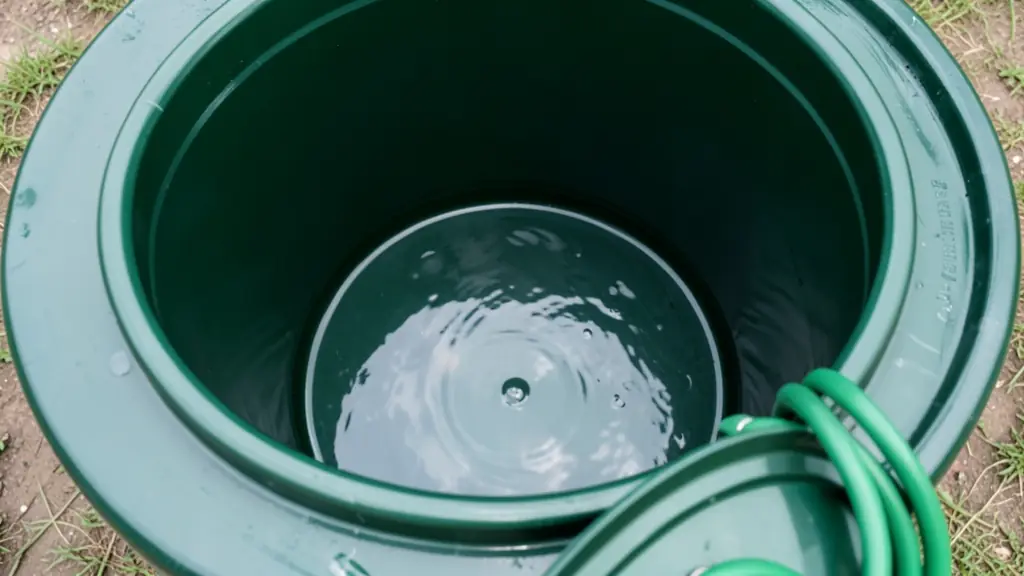
Water tank cleaning is the job most owners forget until the water smells, the tap spits brown or a crèche inspector asks when it was last done. Every tank collects silt from the roof, leaves, insects and the odd dead rat or bird. A clean once a year keeps rain and borehole tanks in good shape, and it is the first thing to do before you think about treating the water.
Price guideA cost guide puts cleaning a household tank at about R500 to R1,500, or R800 to R2,200 with disinfection, and large commercial tanks from about R1,800A rough guide from published South African prices. The area, the term, the grade, what is included and VAT all move it.
Why tanks get dirty
Roof dust and bird droppings wash in with every storm, especially the first flush after a dry spell. Leaves slip past a torn screen and rot on the floor. Light through a thin wall or a missing lid feeds green algae, and a gap at the inlet lets in mosquitoes, frogs and rodents. Over a year or two, a soft brown sludge builds up that the outlet stirs into the house water. If your tank smells of eggs or earth, something is decaying in it.
What a tank cleaning service does
- Drains the tank, or pumps the usable water to a temporary tank so you are not without supply all day.
- Removes the sludge with a pump or by hand from the floor.
- Scrubs or pressure washes the walls and the roof of the tank.
- Disinfects with a measured chlorine solution and leaves it for a contact time.
- Rinses, drains the rinse water away from plants and drains, and refills.
Cleaning is usually priced per tank by size in litres, with more for roof tanks, towers, underground tanks and big reservoirs. Work out your litres with the tank volume calculator if the size has worn off.
Never climb into a tank alone
A tank is a confined space: the air inside can lack oxygen or hold chlorine fumes, and the walls are slippery. People have died going in to fetch something. Cleaning companies ventilate the tank, test the air, and keep a second person outside. Roof tanks, pressed steel tanks on towers and large reservoirs belong with a company that has the harness and the training. Keep children away from an open tank and put the lid back the moment the work stops.
Cleaning a small tank yourself, in outline
A small tank on the ground can be done by a homeowner from outside: drain it through the outlet, hose and brush the walls with a long handled brush, flush the sludge out, then disinfect with unscented household bleach, measured as its label directs for treating drinking water. Rinse well before you refill. Afterwards, check the leaf screen, the gutters and the first flush diverter, or the tank fills with dirt again. For drinking water, add purification and a test.
Who asks for this
- Homeowners and tenants
- A rainwater tank that smells after summer and spits brown water at the garden tap.
- Complexes, estates and landlords
- Several backup tanks across a complex cleaned in one visit and booked every year.
- Builders and plumbers
- Cleaning out the building dust and offcuts from tanks before a new house is handed over.
- Shops, restaurants and offices
- A restaurant or guest house tank cleaned before a health inspection.
- Farms, plots and lodges
- Stock and house tanks on borehole water that silt up with sand and iron.
- Factories, mines and plants
- Large reservoirs and fire water tanks drained, inspected and cleaned by a trained crew.
- Schools, clinics and municipalities
- School and crèche tanks cleaned and tested so children have safe water.
- Events, sites and relief
- Temporary tanks at a venue cleaned and disinfected before and after the season.
Frequently asked questions
How often should a water tank be cleaned?
Once a year is a common rule for tanks on rainwater, and sooner if the water smells, changes colour or you find something in it. A tank fed only by municipal water stays clean longer, but still collects silt.
Do tank cleaning tablets replace a clean?
No. Tablets and liquid chlorine disinfect the water, but they do nothing about the sludge on the floor, which keeps feeding bacteria. Clean first, then dose if you need to.
My crèche tank smells. Is the water safe?
Treat it as unsafe for drinking until the tank is cleaned and the water tested. Give the children bottled or boiled water in the meantime, and ask the cleaner to look at the lid and inlet for how something got in.
Who will clean my tank?
We clean nothing ourselves. Local water tank cleaning services receive your request and price the work straight to you, usually by tank size and how hard it is to reach.
Related topics
Work it out first
- Water tank size calculatorPeople, litres a day, days to cover and the garden in: the litres to store, a tank combination and how long a tank lasts out
- Rainwater harvesting calculatorRoof area, roof type and your town's rainfall in: the litres a year and a month off the roof, the wettest month and a tank size out
- Tank volume calculatorA round, square or lying tank's size and the water depth in: the litres it holds full, the litres in it now and the kL out